
Covered conductor trial: building a safer network in Parkerville
We’re trialling a new covered powerline solution across Parkerville to reduce bushfire risk, improve safety and improve the long-term reliability of electricity supply for the local community.
Keeping the local network safe and reliable is something every Parkerville resident depends on. We’ve started a trial to upgrade Parkerville’s electrical network with covered conductor: an overhead powerline with a durable protective covering. It’s a practical step to help reduce bushfire risk, improve safety and support more reliable power for local homes and businesses.
Trialling covered conductor here is part of how we plan ahead to make the network more resilient as operating climate changes.
Why we’re trialling covered conductor
This trial is about getting ahead of risk rather than reacting to it. Covered conductor is designed to:
- help reduce bushfire risk by limiting faults related to vegetation, wildlife and weather
- improve the resilience of the network against storms and high winds
- help reduce unplanned outages and improve reliability for homes and businesses over time
- reduce the likelihood of contact related faults involving wildlife and surrounding environment.
The trial in Parkerville gives us the chance to see how covered conductor performs across a residential network at a larger scale, building on what we learned from our earlier pilot in Yanchep and whether it is suitable for wider use across the network.
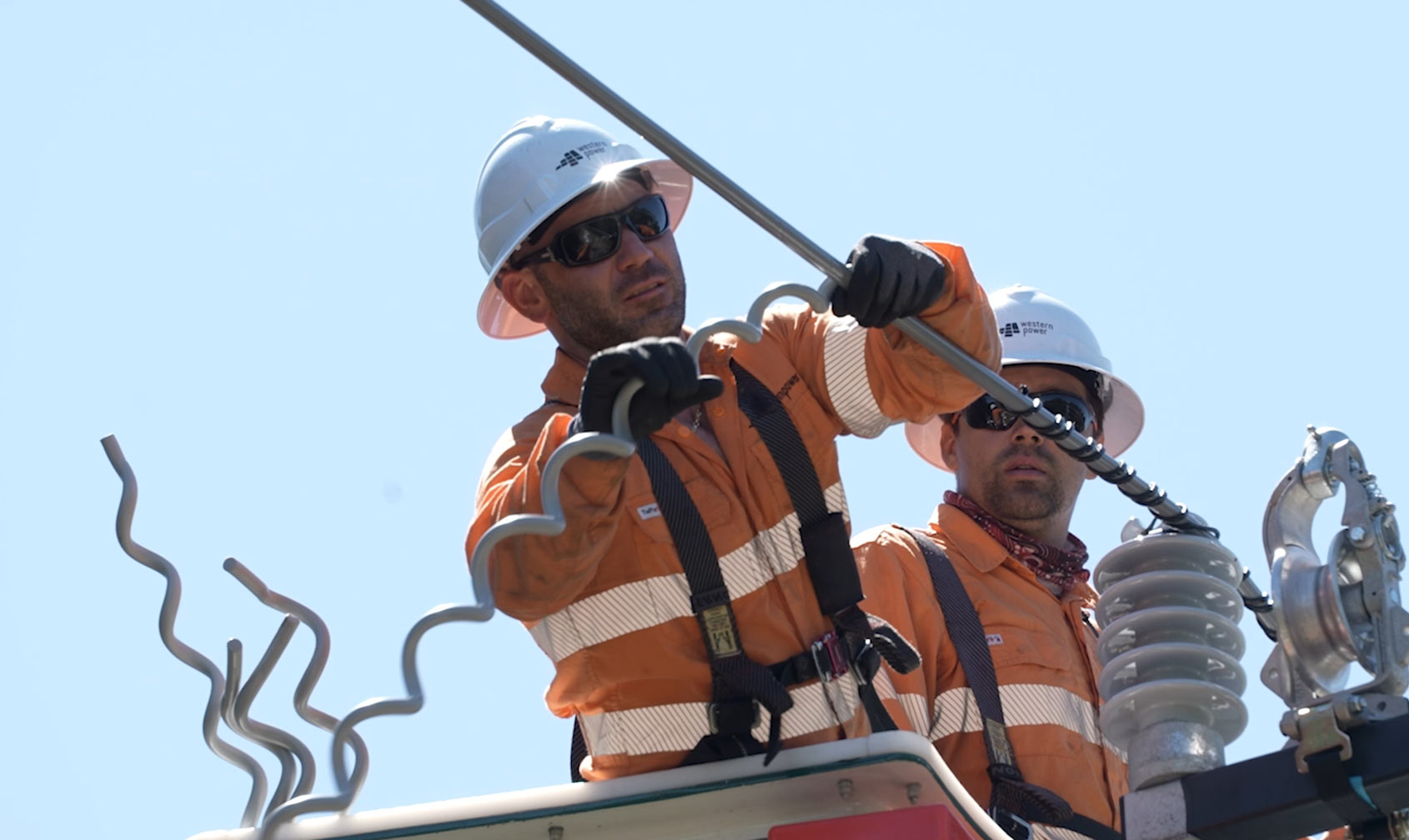
What is covered conductor?
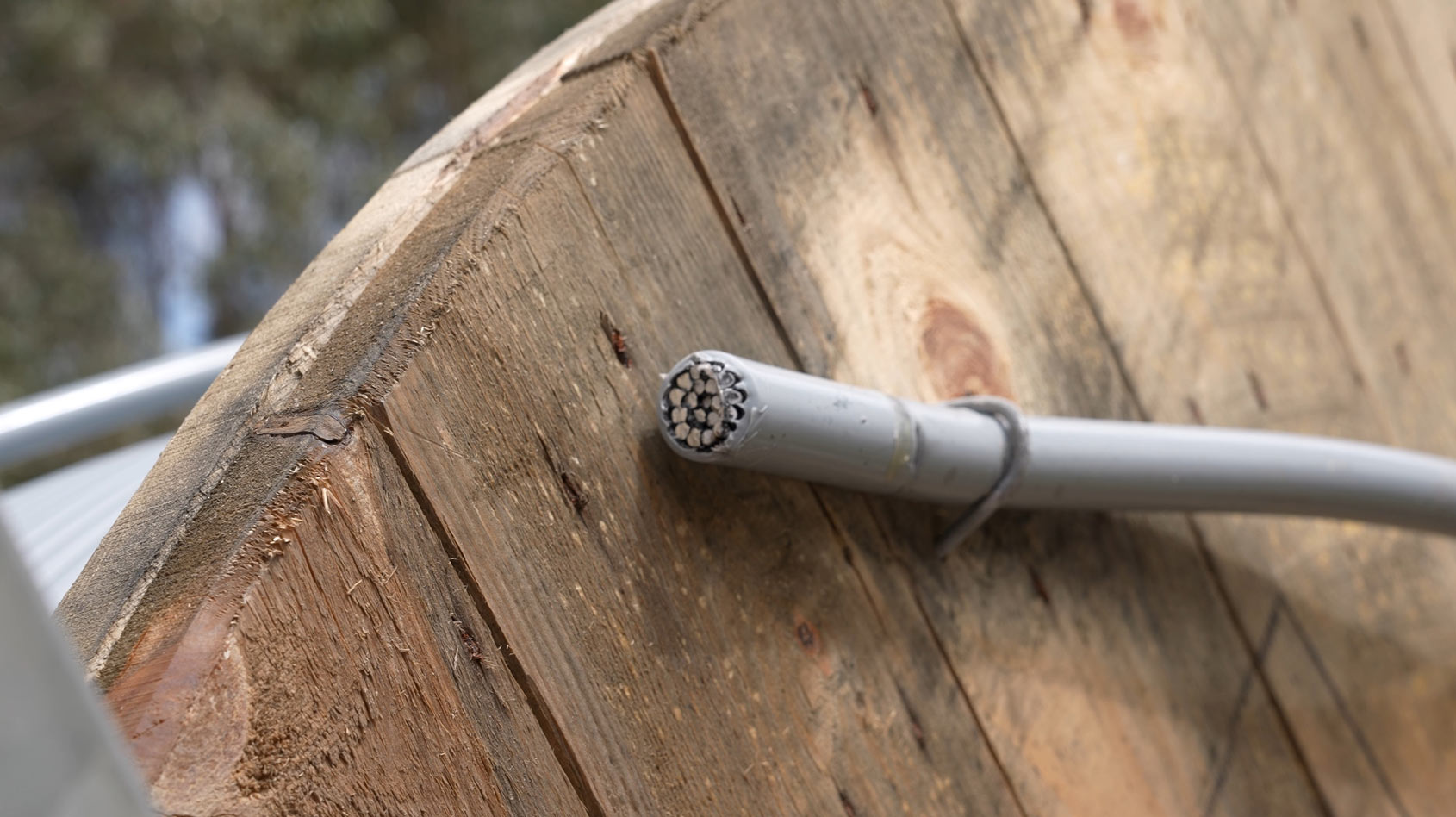
A covered conductor is an overhead powerline with protective covering designed to reduce the risks of faults from unintended contact. Unlike a bare powerline, the covering adds protection if the line encounters vegetation, wildlife, or debris during storms and high winds.
That extra protection helps reduce the risk of faults and fire ignitions, minimising the chance of unplanned outages.
Covered conductor does not remove all electrical or bushfire risk, but it can help reduce this likelihood compared with traditional bare overhead powerline.
What the trial involves
As part of the trial, we’re:
- replacing around 16 kilometres of bare high voltage (HV) overhead powerlines with a new type of covered HV conductor;
- replacing approximately 14 kilometres of bare low voltage (LV) overhead powerlines with insulated aerial bundled cable;
- replacing selected power poles where needed; and
- upgrading equipment such as crossarms and insulators.
We’re delivering the work in sections across the suburb, scaling up as each stage is completed. Once the trial is finished, covered conductor will be used across the Parkerville residential network. This will make Parkerville the first residential area on the network without any bare conductor in the overhead electrical network.
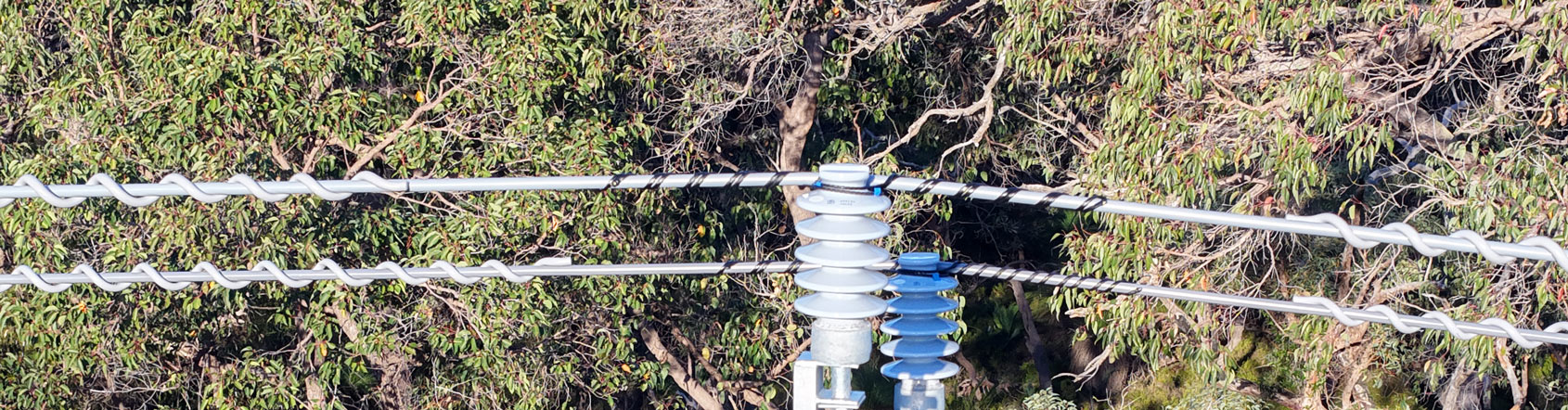
Building on our Yanchep pilot
Before bringing covered conductor to Parkerville, we ran a smaller pilot in Yanchep, converting a two-kilometre section of the network in late 2025.
The Yanchep pilot helped us test design modelling, equipment, and installation requirements on a smaller section of the network before expanding the trial to Parkerville.
What to expect if you live in Parkerville
Most of this work takes place in road reserves and on public verges, not on private property, unless we’ve told you otherwise.
While works are underway near your street, you may notice more vehicles and crews in the area, along with some noise, vibration and dust. Work near any individual property is generally expected to take around one to two weeks.
Power outages and staying informed
To complete some of these upgrades safely, we’ll need to carry out a number of planned power outages. We’ll always look to minimise these and avoid multiple outages where we can.
If your power will be affected by a planned outage, we’ll let you know up to 10 business days beforehand. In the event of an unplanned outage, we’ll notify affected customers directly by SMS.
To receive SMS updates, head to the outage page and click the “Get SMS updates” link at the bottom of the page.
If you have any questions, feedback, or would like to change how we contact you (email, SMS or letter), call us on 13 10 87, 8.30am to 5pm.
What happens next
The full project runs from mid-2026 to mid-2027, with the first section of works underway. We’re completing the trial in stages, and we’ll update this page as each stage progresses.
As the trial continues, we’ll keep the Parkerville community informed at every step. This is one of the ways we’re building a stronger, safer network for the communities we serve.