
Early Fault Detection units
Nearly 150 Early Fault Detection units (EFDs) are being installed across Western Australia to help identify issues before they cause outages.
Early fault detection technology improves network reliability
EFDs are being installed in regional areas, helping make the system smarter and more reliable. These devices monitor performance on the electricity network in real time, detecting early signs of potential faults so our operations team can act before interruptions occur.
When an alert is received, our crews can prioritise inspections and fix issues quickly, reducing outages and strengthening reliability for regional communities.
Why Early Fault Detectors and how they work
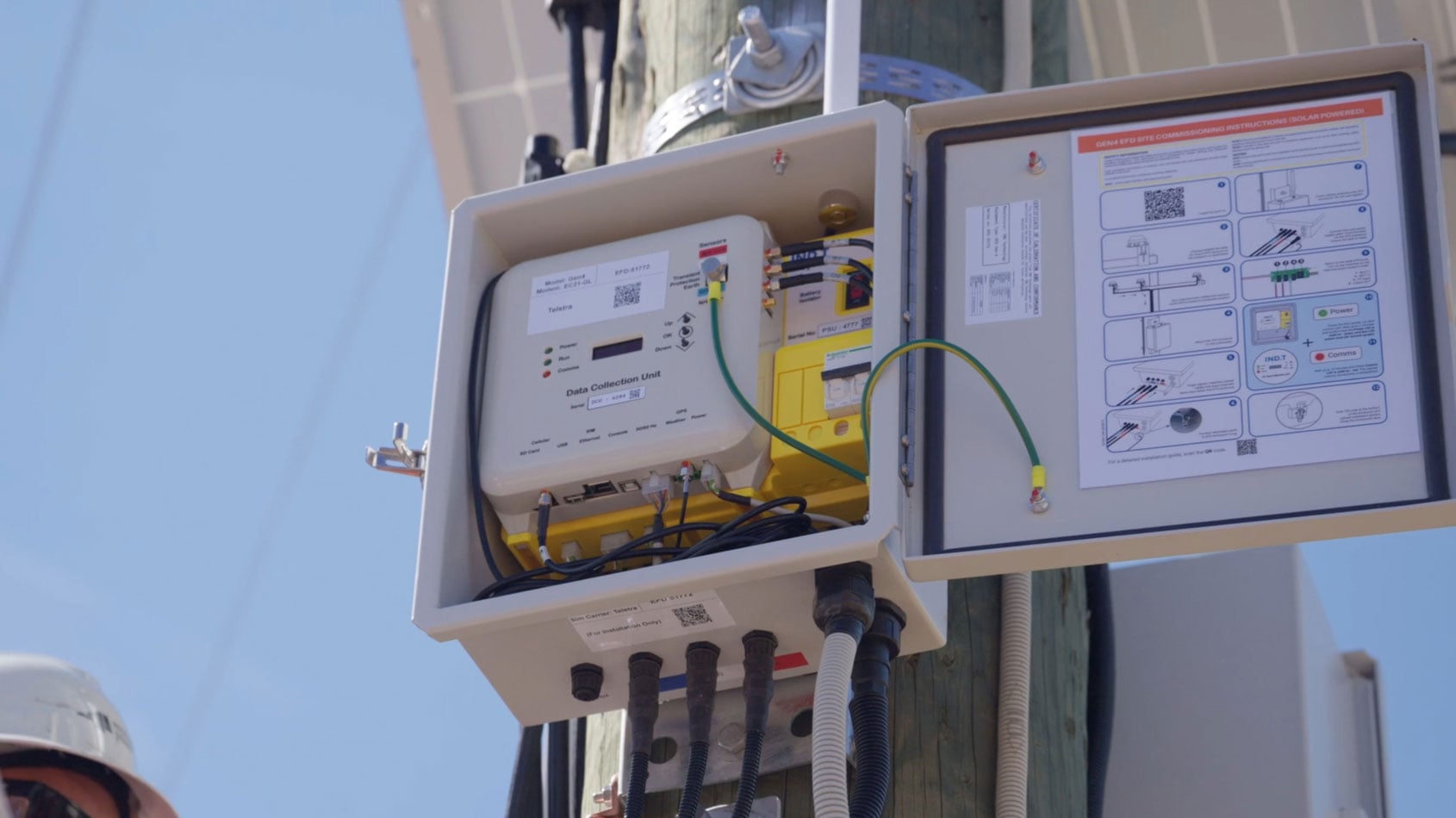
Each EFD contains sensors that monitor electrical activity along power lines, detecting small changes that can indicate faults before they happen.
When a change is detected, the unit sends a signal to our Operations team, which can then direct field crews to inspect the line. This proactive approach helps prevent outages and improves safety and reliability.
The installation of EFDs are being prioritised for regional areas with long feeder lines, where weather, vegetation and wildlife can affect reliability. These lines are inspected regularly, but early alerts mean crews can focus attention where it’s needed most, before an outage occurs.
This smart system for the early detection of faults will result in reduced outages and better network reliability, particularly for regional customers.
From trial to rollout
In 2023, 30 EFDs were trialled across metropolitan Perth in areas with higher fault rates. The trial showed EFDs successfully detected issues such as broken ties and cracked insulators that could lead to outages.
Early detection helped our teams respond faster, improve reliability, and reduce the likelihood of outages.
The success of that trial is now being expanded to regional areas through the 2025–26 rollout of 149 units.
How early fault detectors work
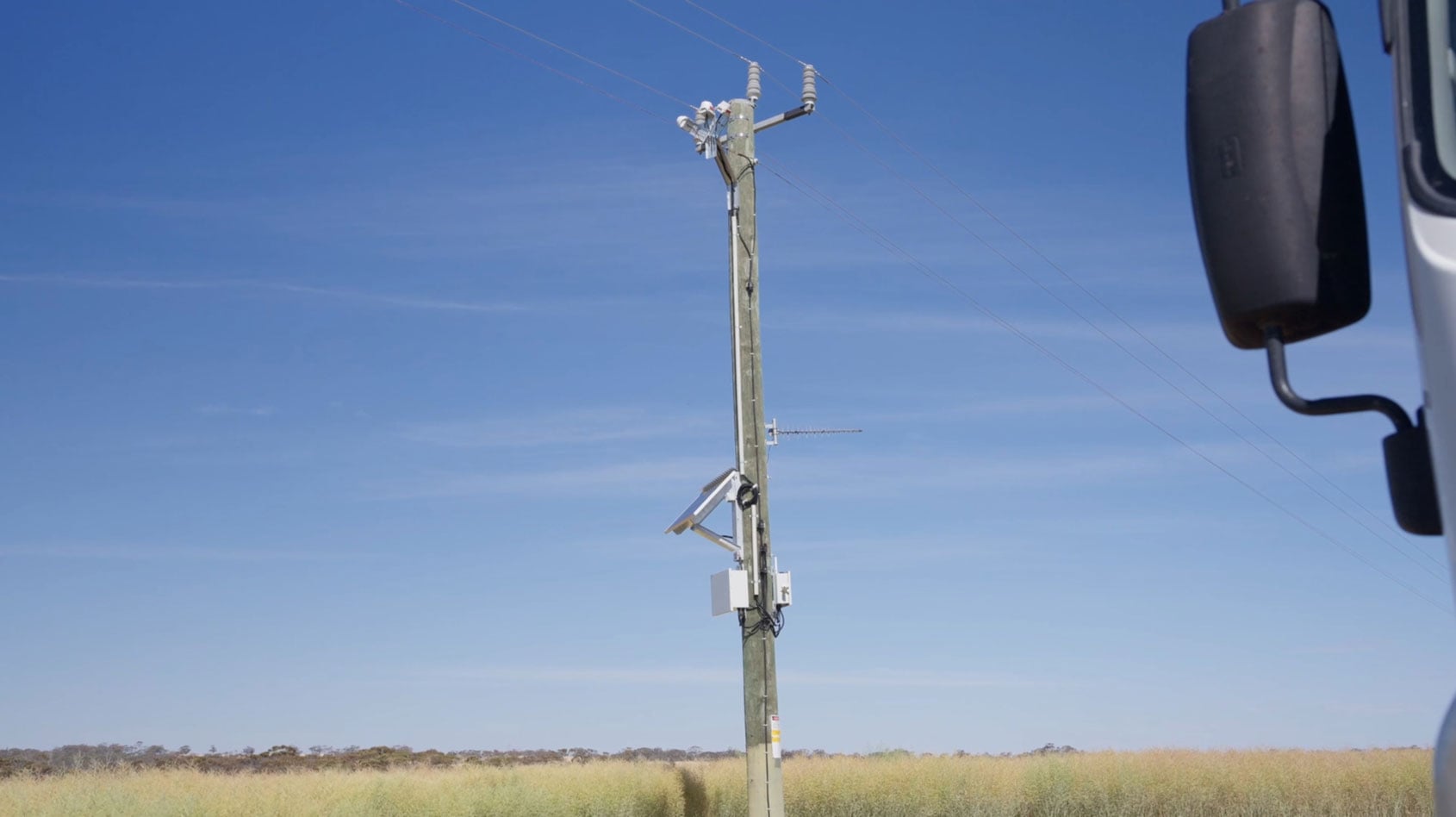
EFDs are mounted about three metres above the ground on poles with no other devices, such as transformers or drop-out fuses.
Each unit is powered by a small solar panel, with an additional back-up battery for poles in locations that gets less sunshine, meaning it continues to operate even during power interruptions.
Where 4G coverage is limited, particularly in regional areas, units are fitted with a Yagi antenna to maintain uninterrupted communications with Operations.
Once installed, the EFDs continuously monitors for changes in current and voltage that can indicate developing faults.
Each unit, manufactured in Melbourne, has a lifespan of around 10 years.
Rolling out smarter technology across WA
Trained Western Power crews are installing EFDs on live lines, meaning there’s no disruption to customers during the roll out.
Installation of the EFD units is expected to be completed by mid-2026.
Once in place, each EFD starts sending data immediately, giving Operations early insight into potential faults and improving power reliability for regional communities.
This means early notifications from EFDs of potential faults on regional lines are already being received, and attended to by field crews, improving power reliability in regional areas, and across the South West Interconnected Network (SWIN).